Equine-Assisted Therapy
Discovering connection, confidence and emotional awareness through horses.
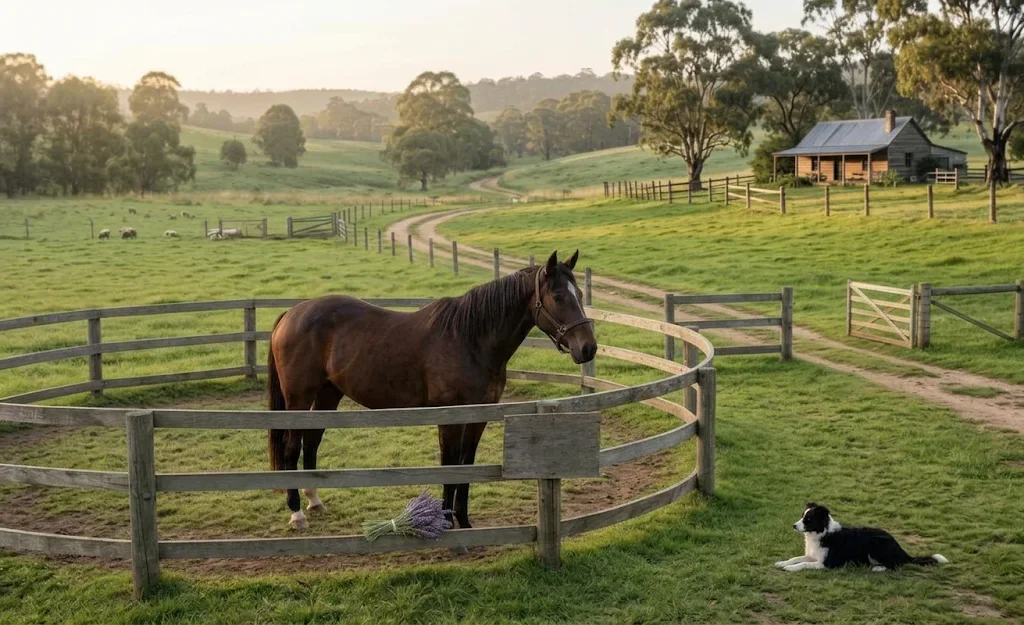
Sometimes, understanding ourselves and our emotions can be easier when we step outside the traditional therapy room.
Equine-Assisted Therapy incorporates interactions with horses within a therapeutic setting, creating opportunities to explore emotions, relationships, communication and personal experiences in a different way.
Horses are sensitive to their surroundings and respond to changes in behaviour, movement and interactions. Working alongside them can provide valuable opportunities to develop self-awareness, explore emotional responses and recognise patterns in how we relate to others.
At Field and Mind Psychology, Carla Fadelli incorporates Equine-Assisted Therapy into her psychological practice, providing a supportive outdoor environment where individuals can explore personal challenges, develop confidence and strengthen their connection with themselves and others.
What is Equine-Assisted Therapy?
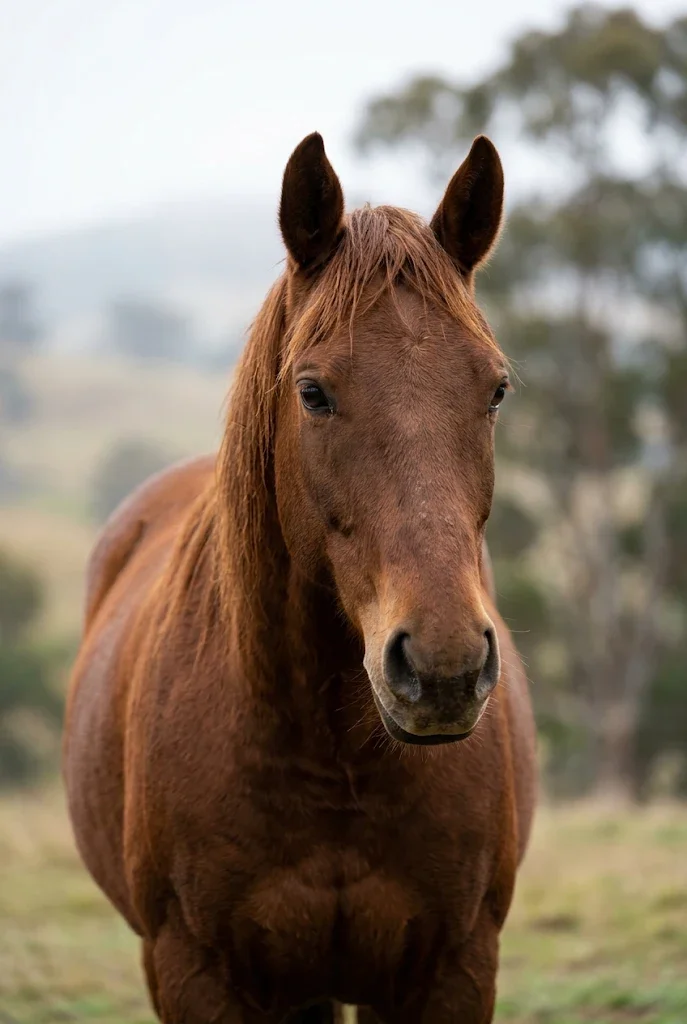
Equine-Assisted Therapy is a therapeutic approach that incorporates interactions with horses as part of a guided psychological process.
Unlike traditional office-based therapy, sessions take place in an outdoor environment where interactions with horses can become part of the therapeutic experience.
Horses can provide opportunities to observe and reflect on communication, boundaries, emotional responses and relationship patterns.
Through guided activities and reflection, clients may begin to recognise how they respond to different situations, understand their emotional experiences and explore new ways of interacting with the world around them.
The horse is not expected to perform or behave in a particular way. Instead, interactions are used as opportunities for observation, exploration and learning within a supportive therapeutic environment.
-
Horses are highly responsive animals that communicate through body language, movement and behaviour.
Because they do not rely on spoken language, interactions with horses can encourage people to become more aware of their own communication, emotional responses and physical presence.
For some individuals, being around horses can also offer a different experience from traditional talking therapy.
Working with horses may create opportunities to:
Develop greater awareness of emotions and physical responses.
Explore communication and relationship patterns.
Practise setting boundaries and respecting personal space.
Build confidence through new experiences.
Develop patience, trust and connection.
Recognise personal strengths and areas for growth.
Experience a sense of calm and connection with the natural environment.
These experiences can then be explored and connected to situations in everyday life.
-
Equine-Assisted Therapy may be incorporated into psychological treatment for individuals experiencing:
Anxiety and ongoing stress.
Difficulties with emotional regulation.
Low self-esteem or confidence.
Relationship and communication challenges.
Difficulties establishing healthy boundaries.
Emotional distress associated with past experiences.
Feeling disconnected from themselves or others.
Challenges with trust and interpersonal relationships.
A desire to develop greater self-awareness and personal growth.
It may also be helpful for individuals who find traditional office-based therapy challenging or who are interested in exploring their experiences through a more experiential approach.
Suitability is considered individually, taking into account each person's circumstances, needs and therapy goals.
-
Sessions are guided by Carla and incorporate interactions with horses as part of the therapeutic process.
Activities are selected according to your individual needs and what you are hoping to explore through therapy.
Depending on your circumstances, sessions may involve:
1. Developing awareness
Observing your surroundings, the horses and your own emotional and physical responses.
2. Building connection
Exploring how connection develops through patience, presence, communication and respectful interaction.
3. Exploring boundaries
Learning about personal space, boundaries and how these can be communicated and respected.
4. Understanding emotional responses
Noticing how different situations influence your thoughts, feelings and behaviours, and exploring ways to respond more consciously.
5. Building confidence
Participating in guided activities that provide opportunities to practise communication, decision-making and self-trust.
6. Reflection and integration
Reflecting on the experience with Carla and exploring how the insights gained may relate to relationships, challenges and situations in everyday life.
There is no requirement to have previous horse experience. Activities are guided and adapted to individual comfort, ability and therapeutic goals.
-
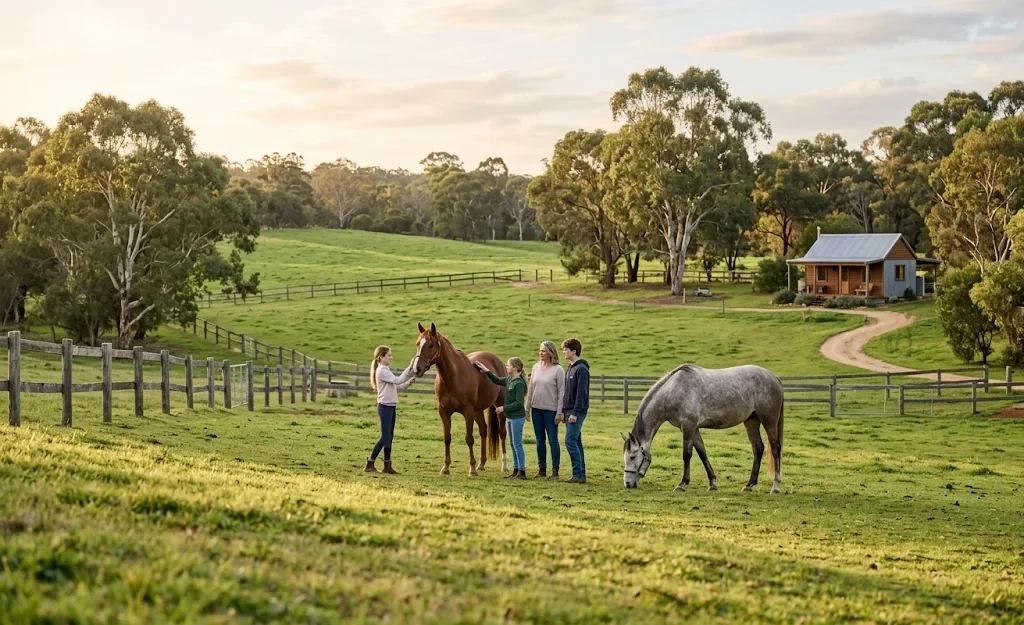
Equine-Assisted Therapy takes place in an outdoor setting at Field and Mind Psychology in Gidgegannup, Perth Hills.
Sessions combine therapeutic guidance, interaction with horses and opportunities for reflection.
You may be invited to observe, approach or interact with a horse through appropriate guided activities. The experience is not about riding or learning horsemanship skills, but about using interactions with horses as part of your psychological therapy.
Some sessions may involve more interaction with the horses, while others may focus on observation, discussion and reflection.
You do not need to be confident around horses or have any previous experience. Your comfort and safety are important, and activities are approached at a pace that feels manageable.
-
Equine-Assisted Therapy can offer a different and meaningful way to explore personal experiences, but it is not necessarily suitable for everyone.
Factors such as individual needs, physical considerations, comfort around animals and therapy goals are taken into account when determining whether this approach may be appropriate.
You do not need to love horses or have experience working with them. What matters is your willingness to explore the experience within a supportive therapeutic environment.
An initial discussion with Carla can help determine whether Equine-Assisted Therapy may be a suitable option for you.
-
Located in the natural surroundings of Gidgegannup in the Perth Hills, our outdoor setting provides an opportunity to step away from everyday distractions and experience therapy in a different environment.
Sessions are conducted in person and are guided by Carla Fadelli, Senior Registered Psychologist.
Whether you are looking to develop confidence, explore emotional challenges or gain a different perspective on your experiences, Equine-Assisted Therapy may offer an alternative way to engage in psychological treatment.
A personalised approach to therapy
At Field and Mind Psychology, Carla recognises that every person's experiences, needs and goals are different.
Equine-Assisted Therapy may be incorporated alongside other psychological approaches, including EMDR, Schema Therapy and other trauma-informed interventions, depending on individual circumstances.
The combination of therapeutic guidance, experiential learning and reflection provides opportunities to explore emotional experiences and develop a deeper understanding of yourself.
The aim is to support greater self-awareness, confidence, emotional regulation and meaningful connection.
Interested in Equine-Assisted Therapy?
You don't need to have previous experience with horses to begin.
If you would like to explore whether Equine-Assisted Therapy may be helpful for you, Carla welcomes you to get in touch to discuss your needs and possible treatment options.